
Discovering Camelopardalis: The Unique Characteristics of the Giraffe Constellation
Di Coraline Ibarra · · 4 min lettura
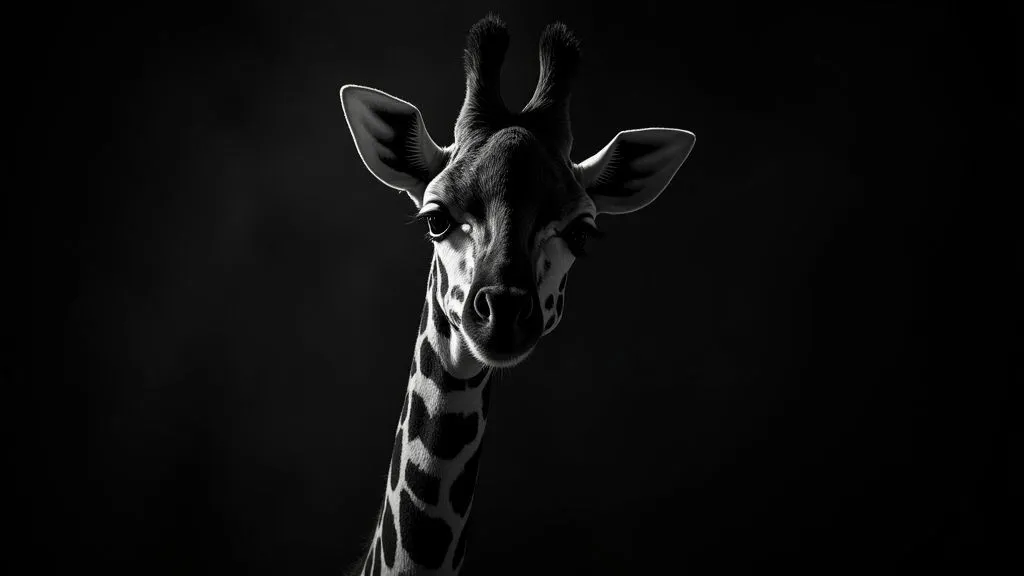
Camelopardalis, often referred to as the Giraffe, is one of the more obscure constellations in the northern sky. Despite its faintness, it holds a wealth of fascinating features and stories that make it an intriguing subject for amateur astronomers and stargazers alike. This constellation is a testament to the beauty and diversity of the night sky, offering a unique canvas for exploration.
Historical Context and Origin of the Name
The name Camelopardalis originates from the Latin word for giraffe, which itself combines elements from Greek and Latin—kamēlos (camel) and pardalis (leopard). This naming reflects the ancient perception of the giraffe as a creature that bore resemblance to both a camel and a leopard due to its long neck and spotted coat. The constellation was introduced relatively recently in the grand scheme of astronomy, by the Dutch astronomer Petrus Plancius in the late 16th century. Prior to this, the area of sky that is now Camelopardalis was largely uncharted in terms of myth and folklore.
Location and Visibility
Camelopardalis is located in the northern celestial hemisphere and is best visible during the winter months. To locate it, one can use the prominent constellations around it as reference points. For instance, it lies between Ursa Major and Cassiopeia, making it easier to find for those who are familiar with these more recognizable constellations.
The constellation spans a significant area of the sky, ranking 18th in size among all the recognized constellations. With a total area of about 758 square degrees, it contains a number of stars that, while fainter than those in more prominent constellations, are still worth observing.
Notable Stars and Deep Sky Objects
Key Stars
While Camelopardalis does not boast any particularly bright stars, it does contain several interesting ones worth noting:
-
Beta Camelopardalis: This star is the second brightest in the constellation and is a red giant star located approximately 200 light-years from Earth. Its reddish color is a visual treat, especially when viewed through a telescope.
-
Alpha Camelopardalis: This star is also known as the “Giraffe’s head” and is a yellow supergiant star approximately 185 light-years away. Though not very bright, its distinctive hue adds to the overall appeal of the constellation.
Deep Sky Objects
Camelopardalis is home to several deep-sky objects, primarily galaxies and nebulae. One notable example is the NGC 2403, a spiral galaxy that is often overlooked due to its faintness. It is approximately 8 million light-years away and offers a glimpse into the structure of distant galaxies.
Another interesting object is the NGC 1502, an open cluster that contains a collection of stars that are relatively close to each other in space. Observing this cluster can be especially rewarding with binoculars or a telescope, as it provides a beautiful grouping of stars against the darker backdrop of space.
Observational Techniques
When observing Camelopardalis, it’s essential to consider the conditions for stargazing. This constellation is best viewed in areas with minimal light pollution, ideally away from city lights. The darker the environment, the better the visibility of its fainter stars and deep-sky objects.
A good pair of binoculars will enhance the viewing experience, allowing hobbyists to appreciate the delicate structures of clusters and faint galaxies. For those seeking a more profound experience, telescopes can reveal even more intricate details, providing a closer look at the celestial phenomena within this constellation.
Myths and Cultural Significance
Despite its relatively recent introduction into the constellation catalog, Camelopardalis has captured the imagination of various cultures. In the context of European astronomy, it was often associated with the giraffe as a symbol of grace and elegance. The long neck of the giraffe has been interpreted as a metaphor for reaching for the heavens, making it an apt subject for a constellation.
In other parts of the world, the giraffe and its distinctive silhouette have been used in storytelling and art, with some interpretations highlighting themes of nature and the interconnectedness of life. While Camelopardalis may not have a rich tapestry of myths as some other constellations, its unique shape and name evoke curiosity and wonder, prompting stargazers to explore its mysteries.
The Future of Camelopardalis Exploration
As astronomy continues to advance, the interest in lesser-known constellations like Camelopardalis may grow. With improving telescope technology and enhanced observational techniques, amateur astronomers have more tools than ever to explore and document the celestial wonders found within this constellation.
There is also potential for new discoveries as scientific exploration progresses. The faintness of Camelopardalis suggests that there are likely many more stars and nebulae yet to be cataloged. As such, it remains a captivating subject for both seasoned astronomers and novices eager to expand their cosmic knowledge.